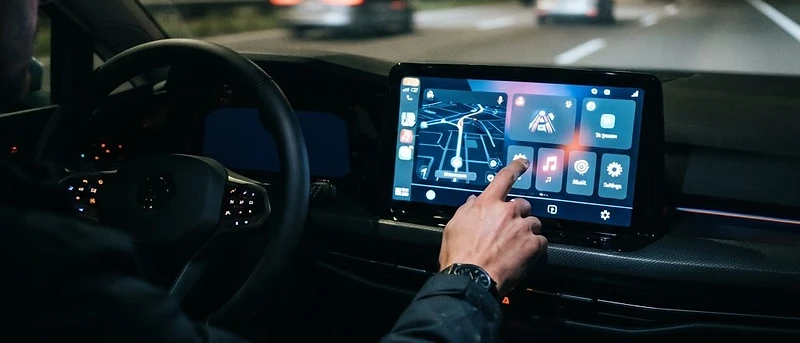
The Touchscreen Trap: Why Your Car’s Dashboard Could Be a Safety Hazard
New industry research highlights the growing danger of complex in-car touchscreens, prompting calls for a return to physical buttons for essential driving controls.
The Hidden Danger Behind Your Dashboard
As modern vehicles become increasingly digitised, the humble physical button is rapidly disappearing. From adjusting your cabin temperature to clearing a fogged-up windscreen, almost every function in a modern car is now buried deep within a sleek, glass touchscreen. However, a major new report from Allianz has raised a serious alarm: these screens are becoming a significant distraction, and for drivers in Gainsborough and beyond, they could be compromising road safety.
The 25% Safety Gap
The study reveals a staggering 25% variation in the time it takes for a driver to locate and activate safety-critical functions between the best and worst-performing infotainment systems. When you are travelling at speed, even a few seconds of looking away from the road to navigate a sub-menu can be the difference between a safe journey and a collision. In fact, the research attributes one in three road accidents to in-car distractions, with complex touchscreen interfaces being a primary culprit.
At MotoMendz, we see the latest vehicle technology every day. While we appreciate the convenience of modern tech, there is a growing consensus that we may have gone too far in removing tactile feedback. When you need to demist your windows in a hurry on a cold Lincolnshire morning, you shouldn't have to swipe through three different menus to find the right setting.
Is a Global Shift Coming?
The industry is starting to take notice. Interestingly, regulators in China have already begun mandating that manufacturers include physical buttons or switches for essential functions, such as hazard lights, indicators, high beams, and window defrosting. These controls must now meet specific size requirements and provide audible or tactile feedback to ensure they can be operated without the driver needing to take their eyes off the road.
Industry experts, including those at Arval UK, believe this is a clear indication of the future direction for fleet safety. As these standards evolve, we may see a shift back toward more ergonomic, driver-focused cabin designs that prioritise safety over minimalist aesthetics.
What This Means for You
If you are currently driving a vehicle with a heavy reliance on touchscreens, it is worth taking a few minutes to familiarise yourself with the interface while your car is safely parked. Learn where the most important controls are located and see if your vehicle offers voice commands or steering wheel shortcuts that can help you keep your eyes on the road.
At our Gainsborough workshop, we are keeping a close eye on these developments. Whether you are driving a traditional petrol vehicle or the latest electric model, your safety remains our top priority. If you find your vehicle’s electronics are becoming difficult to manage, or if you have concerns about your car’s diagnostic systems, our team is here to help. We specialise in keeping your vehicle running reliably, ensuring that your focus stays exactly where it belongs: on the road ahead.
Stay safe on the roads, and remember—if you are unsure about any of your vehicle's controls, it is always better to pull over safely before making adjustments.
Need a hand with your vehicle?
Book servicing, MOT repairs, diagnostics and more at our Gainsborough workshop.