The Hidden Surge in UK Vehicle Recalls: Is Your Car Affected?
With millions of vehicles subject to safety recalls this year, we explain why modern car complexity is driving this trend and how to ensure your vehicle remains roadworthy.
The Rising Tide of Vehicle Recalls
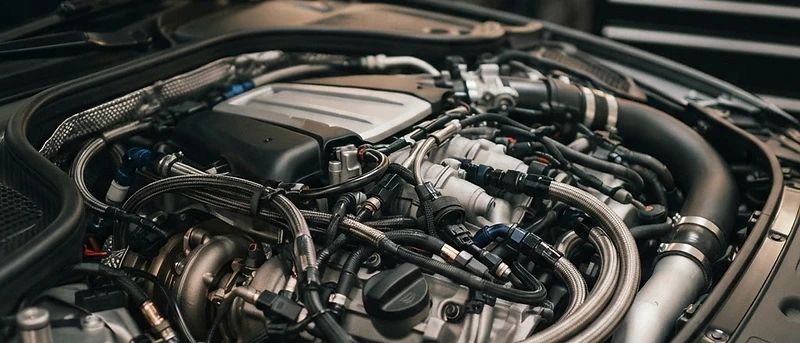
If you have noticed more headlines about vehicle recalls in 2026, you are not imagining it. Data from the Driver and Vehicle Standards Agency (DVSA) indicates that we are currently witnessing a significant spike in manufacturer-led safety campaigns. In the first six weeks of 2026 alone, over 100 separate vehicle recalls were issued across the UK. This trend is not just a blip; it is a direct consequence of the increasing complexity found in modern powertrains and vehicle software.
Why Are Recalls Becoming More Frequent?
Modern vehicles are essentially computers on wheels. As manufacturers push for greater efficiency and lower emissions, they are integrating sophisticated mild-hybrid systems, complex sensors, and intricate software management systems. While these advancements offer better performance, they also introduce more points of failure. When a potential safety issue is identified—whether it is a software glitch or a mechanical component failing under specific conditions—manufacturers are now more proactive than ever in issuing recalls to rectify these issues before they lead to accidents.
A notable example earlier this year involved the Stellantis group, which issued a safety notice for 44,000 UK vehicles, including models from Peugeot, Citroën, Vauxhall, Fiat, and Alfa Romeo. These recalls often focus on specific engine components, such as the 1.2-litre mild-hybrid units, highlighting how a single design choice can impact a vast number of drivers.
What Should You Do If You Receive a Recall Notice?
First and foremost, do not panic. A recall notice is a safety precaution, not necessarily an indication that your car is about to break down. However, it is vital that you take action. If you receive a letter from your manufacturer, follow the instructions immediately. These repairs are carried out free of charge by authorised dealerships, and once completed, the manufacturer updates their central system to mark your vehicle as 'remedied'. This creates a permanent digital footprint that is essential for your vehicle's history.
At MotoMendz, we often see customers who are unsure if their vehicle has outstanding safety work. While we specialise in independent servicing, diagnostics, and general repairs, we always recommend that our Gainsborough customers check their vehicle status regularly. You can often find this information on the manufacturer’s website by entering your Vehicle Identification Number (VIN).
The Role of Independent Garages
While official recall work must be carried out by the manufacturer, independent garages play a crucial role in the wider ecosystem of vehicle safety. As cars age and move out of the manufacturer's warranty period, it is the independent sector that keeps them running safely. Whether it is identifying a suspension issue during a routine service or diagnosing a warning light that might be related to a broader software update, our role is to ensure that your vehicle remains reliable long after the initial recall period has passed.
If you are concerned about your vehicle's performance or have noticed a persistent warning light, don't wait for your next MOT. Modern vehicles require consistent care to manage their complex systems. Whether you need a brake check, a cambelt replacement, or a diagnostic scan, our team here in DN21 is equipped to help you navigate the complexities of modern motoring.
Need a hand with your vehicle?
Book servicing, MOT repairs, diagnostics and more at our Gainsborough workshop.