Euro 7 Emissions Standards: What the New Rules Mean for Your Next Car
New, stricter Euro 7 emissions regulations are coming into force this week, marking a significant shift in how new vehicles are tested and maintained.
A New Era for Vehicle Emissions
As of Monday, 29 November 2026, the UK motoring landscape is set for a significant shift. New cars arriving in the country and being type-approved for road-legal status must now comply with the much stricter Euro 7 emissions regulations. While this change primarily targets manufacturers and new vehicle registrations, it represents a major evolution in how we think about vehicle health, longevity, and environmental impact.
What Exactly is Changing?
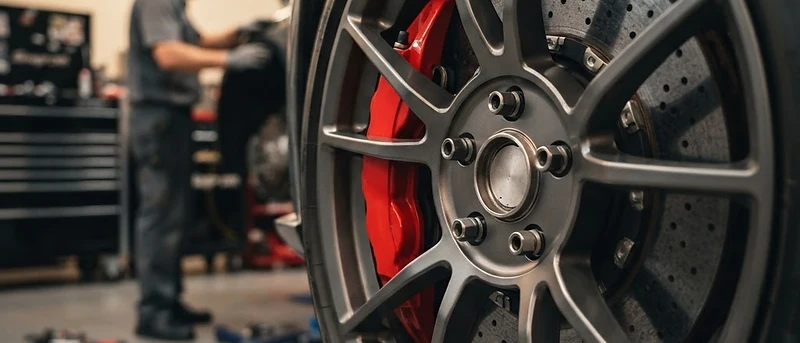
The Euro 7 standard is not just about what comes out of the exhaust pipe. For the first time, these regulations introduce limits on non-tailpipe emissions, specifically targeting particulate matter generated by tyres and brakes. Under the new rules, petrol and diesel vehicles are limited to seven milligrammes of particulate matter per kilometre, while electric vehicles (EVs) are capped at 3mg, reflecting their reduced reliance on traditional friction braking systems.
Furthermore, the testing process itself is becoming far more rigorous. Vehicles will now be tested in real-world conditions, including extreme temperatures of up to 45 degrees Celsius, as well as during short journeys and stop-start traffic. This ensures that the emissions data we see is a true reflection of how your car performs on the road, rather than just in a laboratory.
Longevity and Battery Health
One of the most interesting aspects of Euro 7 is the focus on vehicle durability. To reduce waste and ensure long-term performance, emissions control systems—such as catalytic converters—must now remain effective for up to 10 years or 200,000km, effectively doubling the previous requirements. For EV owners, the regulations also mandate that batteries must retain at least 80 per cent of their original capacity after five years or 100,000km, providing greater peace of mind for those looking at the used market in the coming years.
What Does This Mean for Gainsborough Drivers?
If you are currently driving a vehicle registered before these changes, you do not need to worry; your car does not need to be retrofitted or adjusted to meet these new standards. However, it is worth noting that as these regulations become the new baseline, they may influence future policies, such as potential updates to Clean Air Zones or ULEZ-style schemes.
At MotoMendz, we are keeping a close eye on these developments. As vehicles become more complex, the importance of regular, professional servicing becomes even more critical. Whether it is ensuring your braking system is operating efficiently to meet modern standards or keeping your engine running cleanly, our team is here to help you navigate the changing requirements of modern motoring. If you have questions about your vehicle’s performance or are considering a switch to a newer model, feel free to drop by the garage for a chat.
Need a hand with your vehicle?
Book servicing, MOT repairs, diagnostics and more at our Gainsborough workshop.