The End of Insurance Groups: What the New Vehicle Risk Rating Means for Your Car
Thatcham Research is phasing out the traditional 1-50 insurance groups in favour of a new 1-100 Vehicle Risk Rating system, and here is how it will impact your premiums.
The End of Insurance Groups: What the New Vehicle Risk Rating Means for Your Car
For decades, UK drivers have relied on the familiar 1-50 insurance group system to gauge how much their cover might cost. Whether you were buying a new family SUV or a sporty hatchback, that number was your primary shorthand for affordability. However, as of late 2026, the industry is undergoing a significant shift. Thatcham Research is officially phasing out these traditional groups in favour of a new Vehicle Risk Rating (VRR), a move designed to better reflect the complexity of modern motoring.
Why the Change?
The automotive landscape has changed drastically. Modern vehicles are packed with advanced driver-assistance systems (ADAS), complex sensors, and expensive electric powertrains. The old 1-50 system, while simple, struggled to account for the nuances of these technologies. The new VRR system moves to a 1-100 scale, assessing vehicles across five distinct risk factors. This granular approach aims to provide a more accurate reflection of a car's true risk profile, covering everything from repairability to the cost of replacing high-tech components.
Repair Costs vs. Premiums
This transition comes at a time when the gap between repair bills and insurance premiums is under intense scrutiny. Recent data from the Association of British Insurers (ABI) highlights a challenging trend: while average insurance premiums have remained relatively stable, the cost of motor repair claims has surged. In the first quarter of 2026, the average accidental damage claim hit £3,699, an 8% increase on the previous quarter. With insurers paying out record sums—reaching £3.2 billion in Q2 2026 alone—the industry is looking for ways to better align risk with actual costs.
What This Means for Gainsborough Drivers
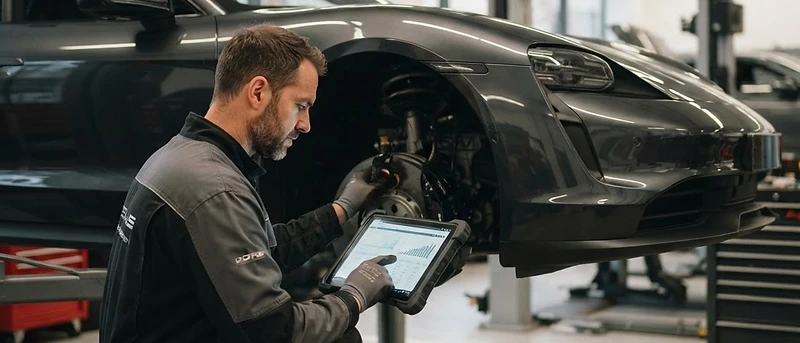
For owners of older vehicles or those looking to upgrade, the shift to VRR means that your insurance quote may soon be calculated differently. Instead of a broad group classification, your premium will be influenced by specific data points related to your vehicle's safety tech, parts availability, and the ease of repair. At MotoMendz, we see the impact of these rising repair costs daily. Modern vehicles require more sophisticated diagnostic tools and specialized training to service correctly. As repair complexity increases, the VRR system will likely reward vehicles that are designed with cost-effective maintenance in mind.
Staying Ahead of the Curve
While the insurance industry adjusts to these new ratings, the best way to keep your motoring costs down remains consistent: proactive maintenance. A well-maintained vehicle is not only safer but often cheaper to insure and repair in the long run. Whether it is ensuring your ADAS sensors are calibrated correctly or simply keeping up with your service schedule, these small steps help prevent the kind of major, unexpected repair bills that are currently driving up industry claims costs.
If you are concerned about how your vehicle’s maintenance history might affect your future insurance profile, or if you simply want to ensure your car is running at its most efficient, our team at MotoMendz is here to help. We provide the expert diagnostics and servicing needed to keep your vehicle in top condition, regardless of its insurance rating.
Need a hand with your vehicle?
Book servicing, MOT repairs, diagnostics and more at our Gainsborough workshop.